In this guide:
- Why small amounts of activity count
- How to start a walking routine
- Choosing shoes, places and times
- Safety questions to settle with your care team first
Activity is part of daily life with diabetes, and it does not have to mean a gym membership or a long run. A short walk, a few flights of stairs or a few minutes of stretching all add up. This guide offers ways to build a routine that fits your schedule and your energy. Before you begin, talk with your care team about what is safe for you.
This is general information, not medical advice. Your physician, pharmacist or a certified diabetes care and education specialist can tell you how activity fits with your medicines, your feet and your overall health.
Why everyday activity matters
Public health guidance for adults, including the Physical Activity Guidelines for Americans, suggests at least 150 minutes of moderate activity per week for most adults, along with muscle-strengthening activity on two or more days. For people with diabetes, activity is also something to plan with a care team, since it can affect glucose and may interact with some medicines.
The key idea is that any movement helps, and the best routine is one you will keep doing. A ten-minute walk three times a day is a perfectly good start.
Talk with your care team first
Before starting or changing a routine, ask:
- Is it safe for me to begin walking, and how fast should I build up?
- Could my medicines cause a low reading during or after activity?
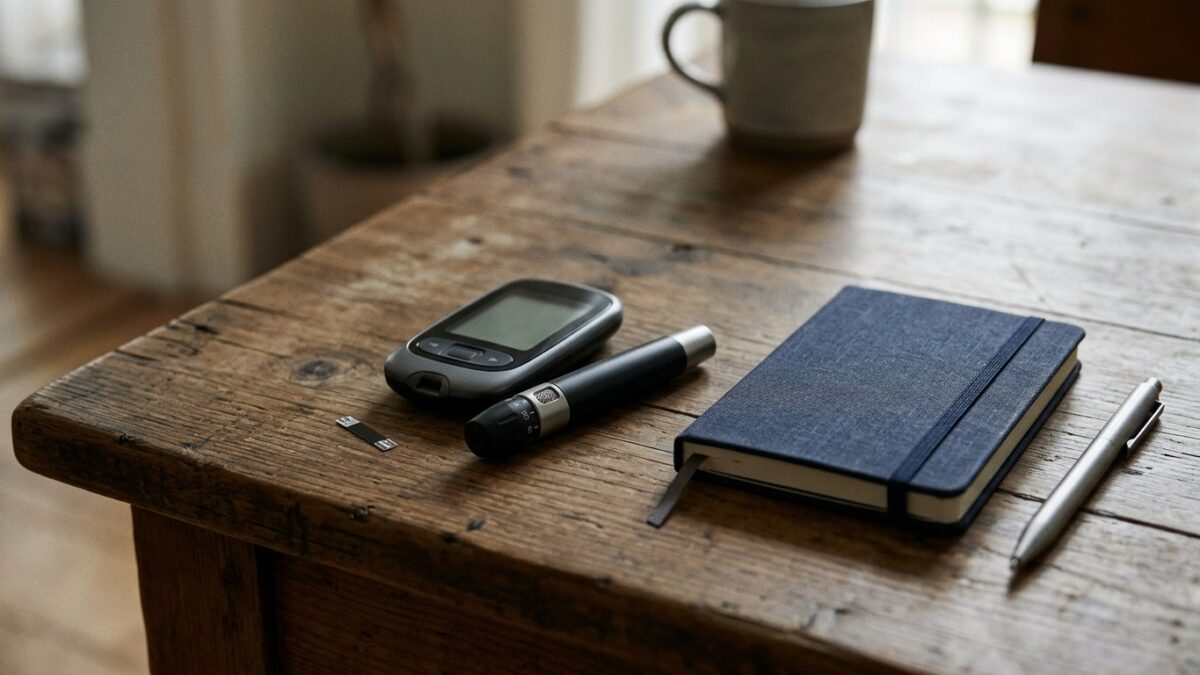
- Should I check my glucose before or after I walk?
- Should I carry a snack or something to treat a low reading?
- Are there any limits on my feet, heart or joints that I should know about?
Write down the answers and keep them where you can find them.
Starting small
If you are new to walking, begin with five to ten minutes at an easy pace. Add a few minutes each week, or add a second short walk during the day. Work toward the amount your care team recommends instead of jumping straight to a long walk.
Anchor the walk to a habit you already have. Walk after breakfast, during a work break or after dinner. Some people find a short walk after a meal fits easily into the day, and your care team can tell you whether and how it suits your plan.

A simple weekly plan
| Day | Walk | Notes |
|---|---|---|
| Monday | 10 minutes after lunch | Easy pace |
| Tuesday | 10 minutes after dinner | Add 2 minutes if comfortable |
| Wednesday | Rest or gentle stretching | Listen to your body |
| Thursday | 15 minutes, any time | Choose a favorite route |
| Friday | 10 minutes after lunch | Easy pace |
| Saturday | 20 minutes with a friend | Social walks are easy to keep |
| Sunday | Rest or light activity | Gardening or housework counts |
This is only an example. Your plan should come from your own schedule and your care team’s advice.
Choosing shoes and socks
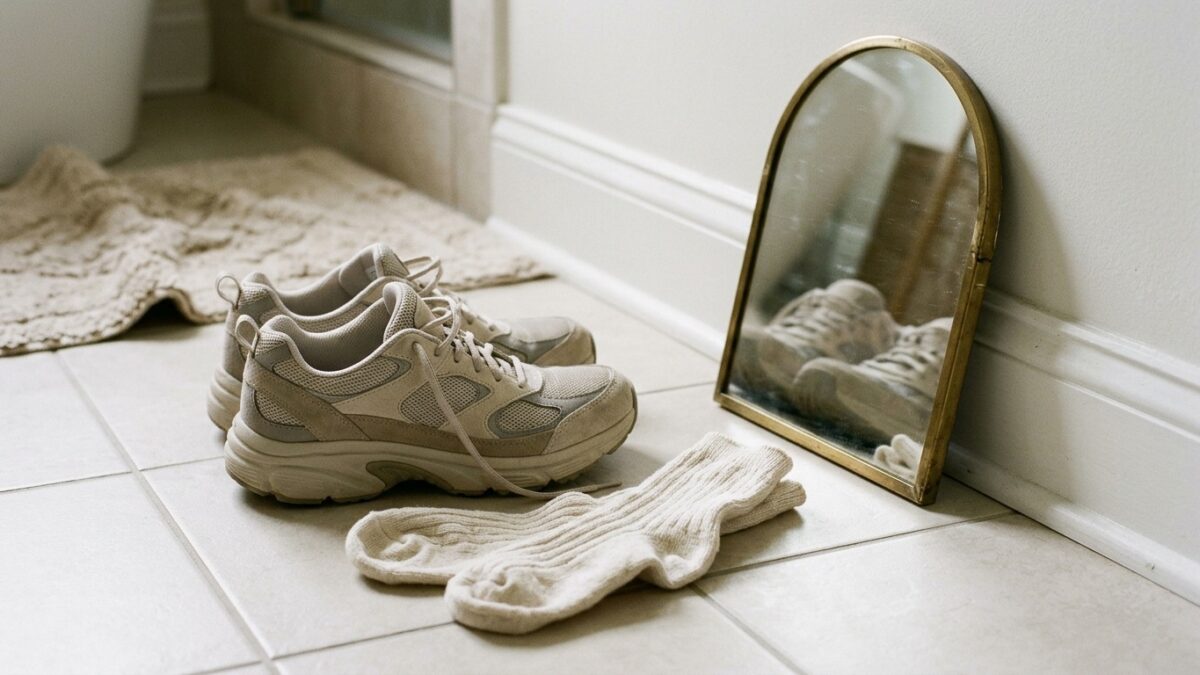
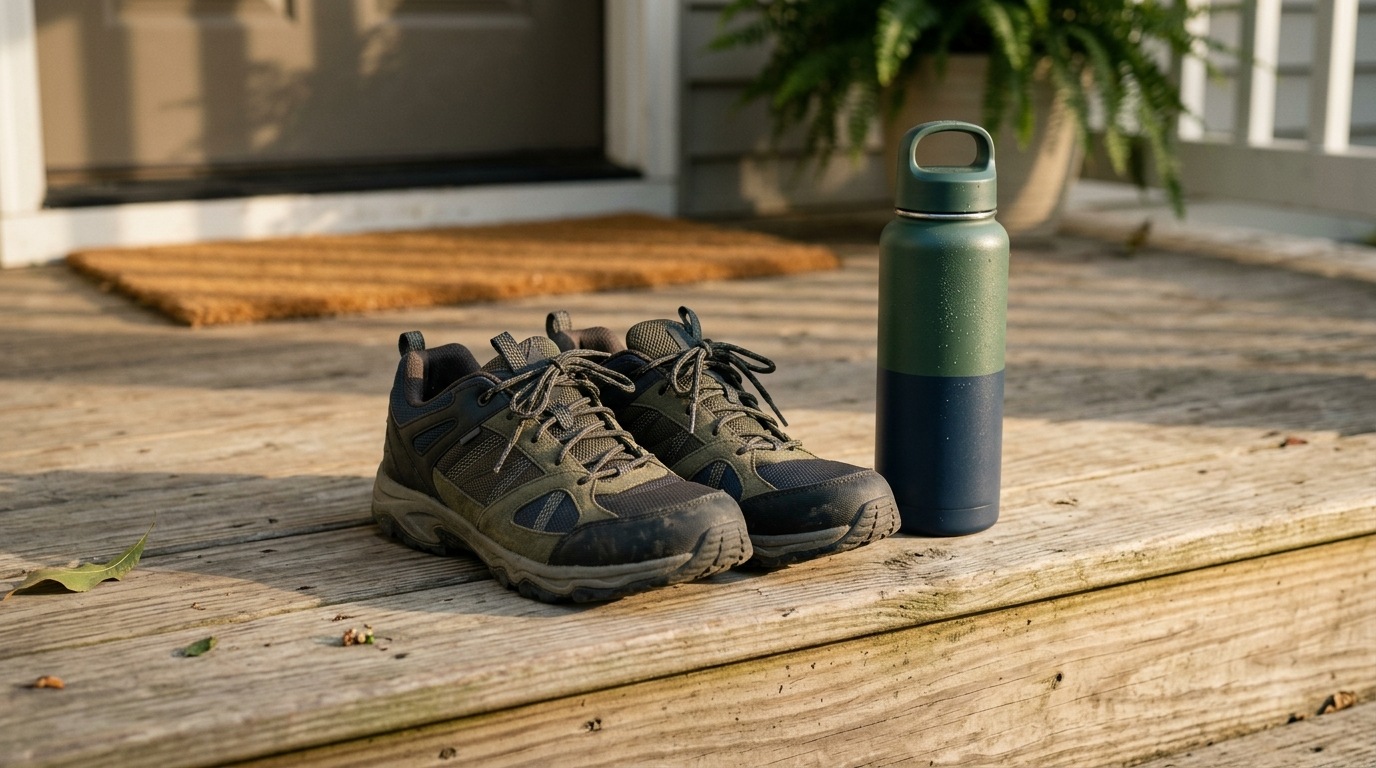
Good footwear matters, especially if you have reduced feeling in your feet. Choose shoes that fit well with room in the toe box, cushioned soles and a firm heel. Try shoes on later in the day when feet are slightly larger. Choose socks that are soft, seamless and moisture-wicking rather than thick cotton that holds sweat.
Check your feet after each walk for redness, blisters or sore spots, and tell your care team about anything that doesn’t heal quickly.
Where and when to walk
- Outdoors: parks, trails and quiet streets are pleasant, but check the weather and the ground.
- Indoors: malls, community centers and hallways give a safe place in bad weather.
- At home: walking in place, climbing stairs or following an indoor walking video can fill gaps.
- With others: a friend, family member or walking group adds company and accountability.
Avoid walking in extreme heat or cold. Carry water, and wear light clothing or layers.
Safety habits
- Carry identification and your phone.
- Tell someone your route if you walk alone.
- Carry any supplies your care team has told you to bring.
- Stop and rest if you feel unwell, and follow your care team’s plan.
- Warm up with a slow pace, and slow down at the end.
Moving more through the day
Planned walks are only part of the picture. Small changes to daily habits add movement without a special trip. Break up long periods of sitting by standing or walking for a few minutes every half hour or so. Take the stairs when you can, park a little farther from the door, walk while you talk on the phone and do household chores at a lively pace.
These small moments count, and they make it easier to reach the total your care team recommends. If you work at a desk, set a reminder to stand up and stretch. If you watch television, stand up during commercials or walk in place.
Tracking progress
A pedometer, a phone app or a simple calendar can help you see progress. Record the minutes or steps, and note how you feel. Focus on consistency, not on perfect numbers. If you miss a day, pick up the routine the next day.
Questions for your care team
- How much activity is right for me, and how quickly can I build up?
- Should I adjust meals or medicines on days when I walk more?
- What symptoms should make me stop and call you?
- Are there any shoes or foot care steps you recommend?
- Would a physical therapist or exercise specialist be helpful?
Key points
Everyday activity counts, and a short walk is a good place to start. Talk with your care team first, build up gradually, choose supportive shoes and look after your feet. Pick a routine you enjoy so that it lasts.