
In this guide:
- Planning holiday meals without skipping your routine
- Handling parties, buffets and family dinners
- Packing supplies for a trip
- What to do about schedules and time zones
Holidays and travel change the shape of the day. Meals happen at different times, foods are unfamiliar and the usual routine is easy to lose. With a little planning, you can enjoy the occasion and keep your care plan on track. This guide offers practical ideas for meals, supplies and schedules, and reminds you to settle the details with your care team before you go.
This is general information, not medical advice. Your physician, pharmacist or a certified diabetes care and education specialist can tell you how to adjust meals, medicines and monitoring for holidays and travel.
Before the holiday
Talk with your care team a week or two ahead, especially if you will travel or eat at unusual times. Ask them:
- How should I handle meals that happen later or earlier than usual?
- How should I adjust my monitoring on busy days?
- What should I do if my routine is disrupted?
- Are there foods or situations I should be careful about?
Write the answers in your phone or a notebook so you can find them quickly.
Holiday meals
A holiday meal is one meal, not a test. Keep your regular schedule as much as you can, and avoid skipping meals earlier in the day to save up. Skipping can leave you very hungry and more likely to overeat.
Some practical ideas:
- Look at what is available before filling your plate.
- Start with vegetables and lean protein, then add smaller portions of starches and desserts.
- Use a smaller plate to help with portions.
- Eat slowly and take breaks.
- Drink water between courses.
- Ask the host what is on the menu, or bring a dish you know you can enjoy.
If alcohol is part of the celebration, ask your care team how it may affect you, and never drink on an empty stomach.
| Situation | Planning idea | Why it helps |
|---|---|---|
| Buffet | Survey first, then choose | Avoids filling the plate on impulse |
| Family dinner | Offer to bring a side dish | Guarantees an option you like |
| Dessert table | Pick one favorite and enjoy it | Satisfies without overdoing it |
| Leftovers | Portion into containers | Prevents second helpings later |
| Late meals | Have a snack if advised | Keeps routine steady |
Packing for a trip
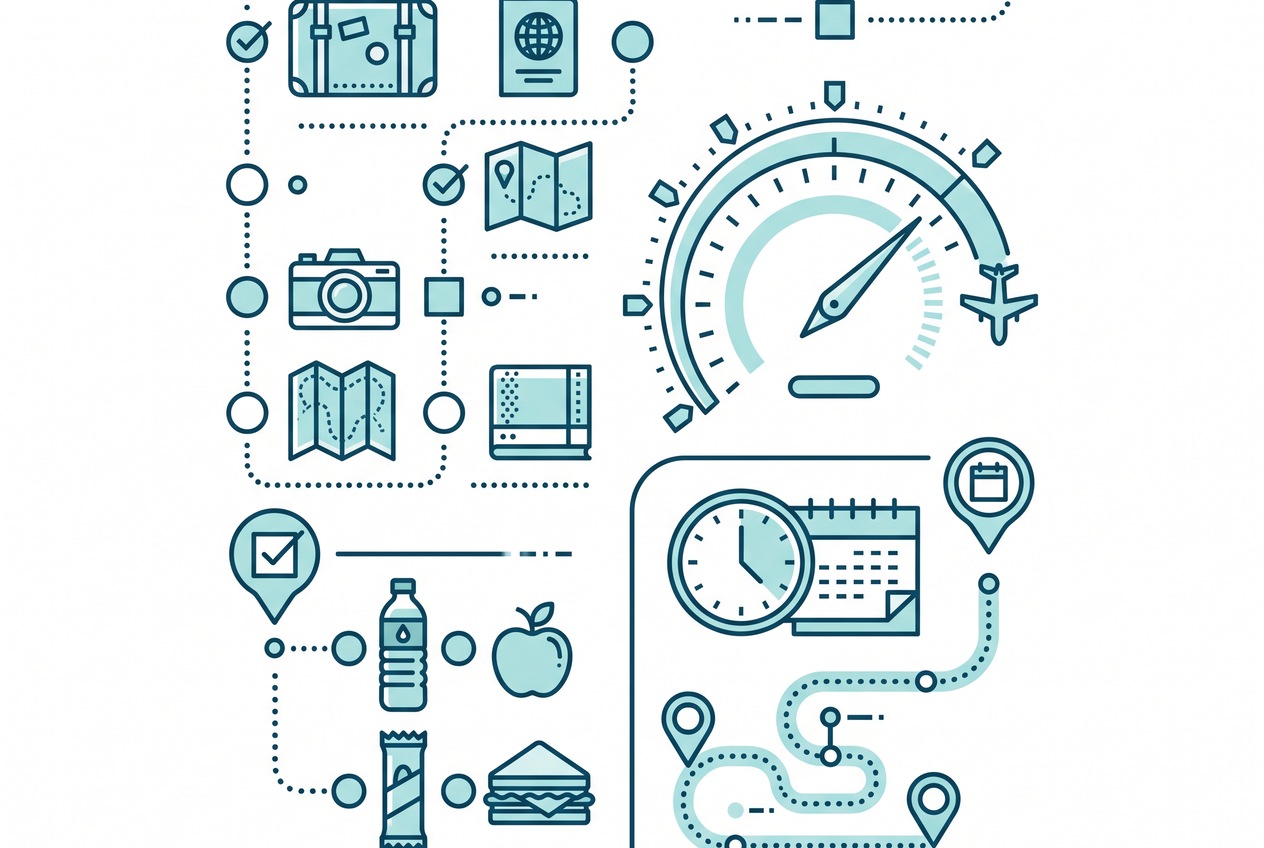
Pack more supplies than you expect to need, and keep them in your carry-on bag so they stay with you.
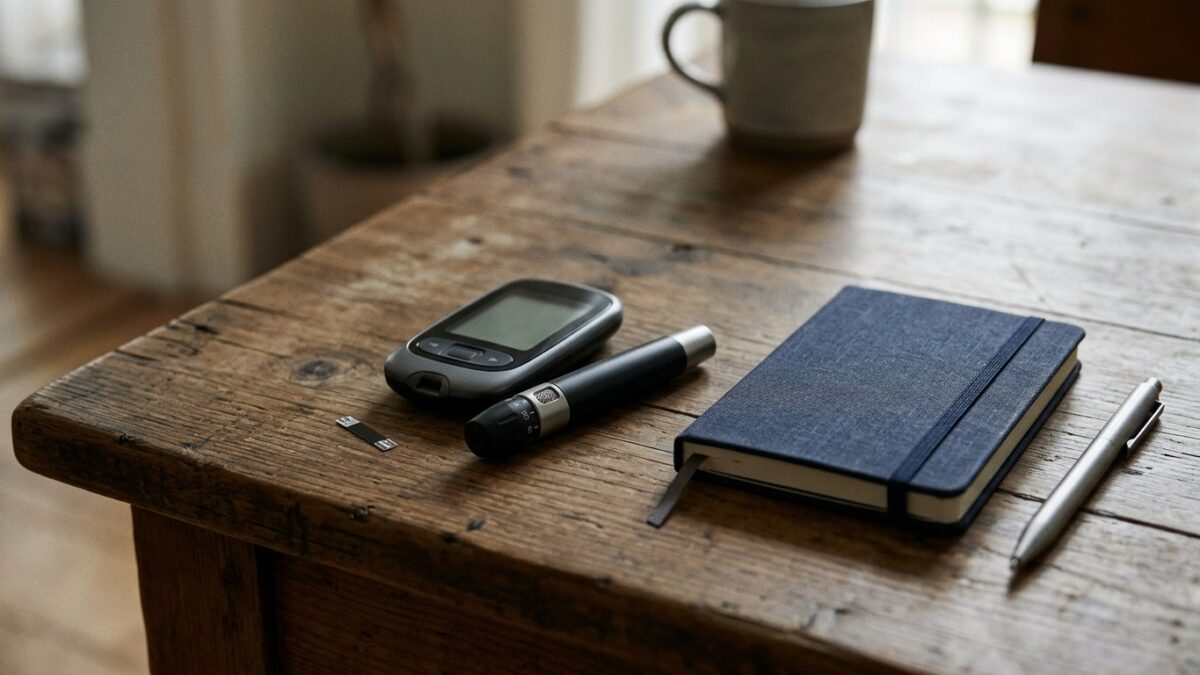
- Your meter, strips, lancets and a spare battery, or sensors if you use a CGM.
- All medicines, with a few extra days’ worth, in their original packaging.
- A copy of your prescriptions and your care team’s contact information.
- Fast-acting carbohydrate snacks if your care team recommends them.
- Healthy snacks for travel delays.
- A medical ID bracelet or card.
- A letter from your care team if you carry needles or other supplies.
Ask your pharmacist how to keep medicines at the right temperature. Avoid leaving supplies in a hot car or in checked luggage, where temperatures may change.
Airports and security
In the United States, the Transportation Security Administration allows people to carry diabetes supplies, medicines and equipment through security. Tell the officer that you have these items, and keep them in a separate, clear bag so they can be inspected quickly. Check current TSA guidance before you travel, since rules can change.
Time zones and schedules
Crossing time zones affects meal and medicine timing. Ask your care team how to handle this before the trip, and write down a plan for each leg of the journey. Keep your watch on home time until you reach your destination if your care team recommends it, and ask how to shift to local time.
Eating while you travel
Airports, highways and unfamiliar towns can make regular meals hard. Pack snacks that suit your plan, such as nuts, cheese sticks, fruit or whole-grain crackers, so you are not forced to rely on vending machines. Look up restaurants near your hotel in advance, and check whether menus list nutrition information.
Eat at regular times when you can. If a flight or a delay disrupts your meal, ask your care team in advance what to do. Drink water often, since airplane cabins are dry, and limit sugary drinks. A refillable water bottle is an easy way to stay hydrated.
Staying active
Travel and holidays often reduce activity. Try short walks, stretch in the airport or take stairs instead of elevators. A walk after a large meal can be a pleasant family activity, if your care team agrees it suits you.
Illness and emergencies
Know what to do if you feel unwell, and where to find medical help at your destination. Save emergency numbers and the address of the nearest hospital. Carry a list of your medicines and conditions. Call your local emergency number for severe symptoms.
Questions for your care team
- How should I adjust my medicines and monitoring for travel?
- How should I handle meals at different times?
- What supplies should I take, and how should I store them?
- Do you have a letter I can carry for security?
- Who should I contact if I have a problem away from home?
Key points
Plan ahead with your care team, keep meals regular, pack extra supplies in your carry-on and write down your schedule for time zone changes. A holiday meal is one meal, and a calm plan helps you enjoy the occasion and return home in good shape.