In this guide:
- Why feet need a daily look
- A step-by-step foot check
- Choosing socks and shoes
- Signs that mean it is time to call your care team
Feet carry you through the day, and they are easy to forget until something hurts. For people with diabetes, small problems on the feet can become bigger ones, partly because diabetes can reduce feeling in the feet and affect healing. A short daily routine helps you notice changes early. This guide explains what to check, how to care for your feet and when to reach out.
This is general information, not medical advice. Your physician, a podiatrist or a certified diabetes care and education specialist can examine your feet and tell you what is right for you.
Why daily checks matter
Reduced feeling in the feet can hide cuts, blisters and sores. A small blister that goes unnoticed can become an open sore. Because diabetes can also affect blood flow, wounds may heal more slowly. Checking every day allows you to catch problems when they are small.
Professional guidance, including from the American Diabetes Association, recommends a comprehensive foot exam by a care team member at least once a year, and more often if you have risk factors. Ask how often you need one.
A daily foot check
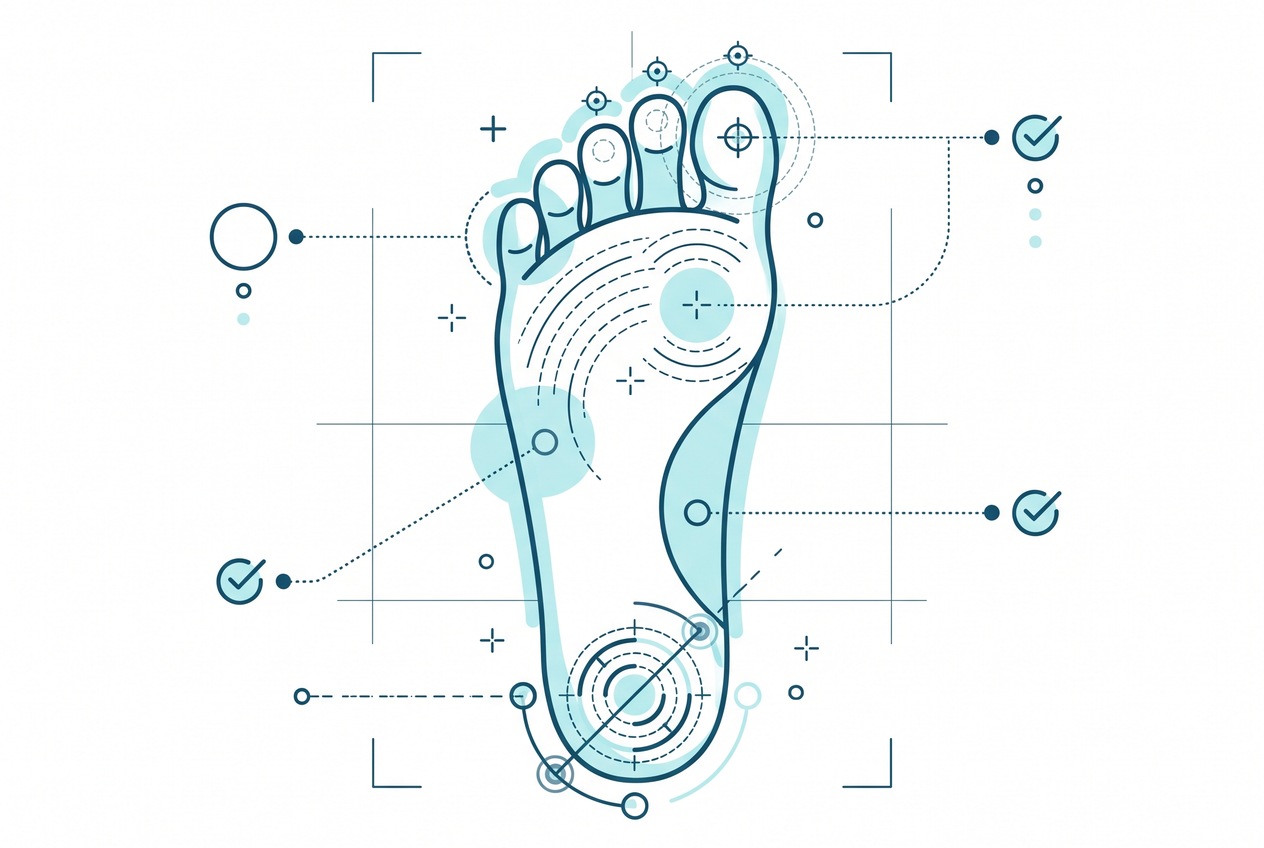
Choose a regular time, such as after a shower or before bed. Sit in good light.
- Look at the tops and sides of both feet.
- Check the soles, using a mirror or asking someone to help if you cannot see them.
- Look between the toes and around the nails.
- Check the heels for dryness and cracks.
- Look for cuts, blisters, redness, swelling, sores, calluses, color changes or ingrown nails.
- Feel for warm spots or areas that feel different.
Write down anything new and watch how it changes. Tell your care team about anything that concerns you.
Washing and moisturizing
- Wash feet daily with lukewarm water and mild soap.
- Test the water temperature with your elbow or a thermometer if you have reduced feeling.
- Dry carefully, especially between the toes.
- Apply a thin layer of moisturizer to the tops and bottoms of the feet, but not between the toes, where moisture can promote skin problems.
Don’t soak your feet for long periods, since that can dry the skin.
Nail care
Trim toenails straight across and file the edges gently. Avoid cutting into the corners. If you cannot see or reach your toes, or if nails are thick or ingrown, ask a podiatrist or your care team to help. Don’t use sharp tools on calluses or corns, and don’t use medicated corn removers unless your care team approves.
Socks and shoes
| Item | What to look for | What to avoid |
|---|---|---|
| Socks | Soft, seamless, moisture-wicking, well fitted | Tight bands, thick seams, wet socks |
| Shoes | Room in the toe box, cushioned sole, firm heel | Pointed toes, high heels, worn-out shoes |
| Indoor footwear | Supportive slippers or shoes | Going barefoot |
| Inserts | Those recommended by a care team member | Unfitted or loose inserts |
Check the inside of your shoes before putting them on, feeling for pebbles, rough seams or tears. Break in new shoes gradually, wearing them for short periods at first. Change socks if they get damp. Ask your care team whether special shoes or inserts could help.
Habits to avoid
- Walking barefoot indoors or outdoors.
- Using heating pads, hot water bottles or electric blankets on the feet.
- Sitting with legs crossed for long periods.
- Smoking, which affects blood flow. Ask your care team for help if you want to quit.
- Ignoring a sore because it doesn’t hurt.
Making the routine easy
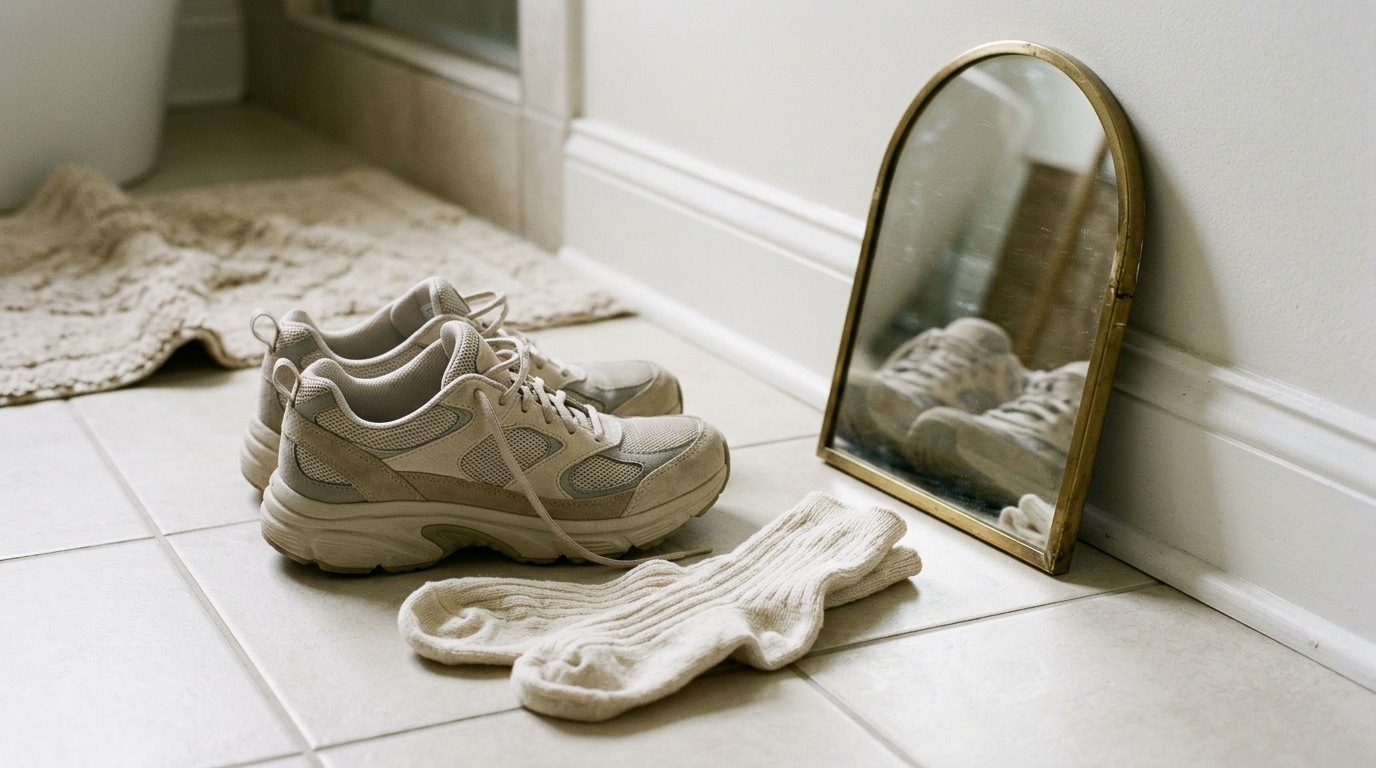
A routine that takes effort is hard to keep. Place a small hand mirror near the place where you dry off, or use a phone camera to look at the soles of your feet. Keep moisturizer, a nail file and clean socks together in one spot. Set a daily reminder on your phone until the habit sticks.
If you cannot see or reach your feet, ask a family member or a caregiver to help, and ask your care team about foot care visits. Good light matters, so use a bright lamp. If your eyesight has changed, tell your care team.
Foot care when traveling or on your feet all day
On long trips, wear comfortable shoes and socks, and stop to stretch your legs. Pack a spare pair of socks and a small first-aid kit. If your job keeps you standing, choose supportive shoes, change socks if they get damp and rest your feet when you can. After a long day, check your feet before you sit down to relax.
When to call your care team
Contact your care team promptly if you notice:
- A cut, blister or sore that is not healing.
- Redness, warmth, swelling or drainage.
- A new color change, such as dark or pale areas.
- Pain, numbness or tingling that is new or getting worse.
- An ingrown toenail or a nail that looks infected.
- Fever or chills along with a foot problem.
If you have severe symptoms, such as spreading redness, intense pain or a fever with a foot wound, seek urgent care.
Questions for your care team
- How often should I have a foot exam?
- Do I have any risk factors for foot problems?
- Which shoes, socks or inserts do you recommend?
- Should I see a podiatrist?
- What should I do if I find a sore?
Key points
A daily foot check takes only a few minutes. Look at every part of both feet, keep them clean and dry, choose supportive shoes and socks and call your care team early when something looks wrong. Small habits protect your feet over the long run.