In this guide:
- The difference between a meter and a continuous sensor
- What supplies you may need and how to store them
- How to keep a log your care team can use
- Safe handling of lancets and other supplies
Checking glucose at home gives you and your care team a record of what happens between appointments. The numbers on a screen mean more when they are written down with context, such as what you ate and what you did. This guide explains the common tools, how to keep a useful log and a few safety habits. It does not set targets, since those come from your care team.
This is general information, not medical advice. Your physician, pharmacist or a certified diabetes care and education specialist can show you how to use your own equipment and what your readings mean for you.
Meters and test strips
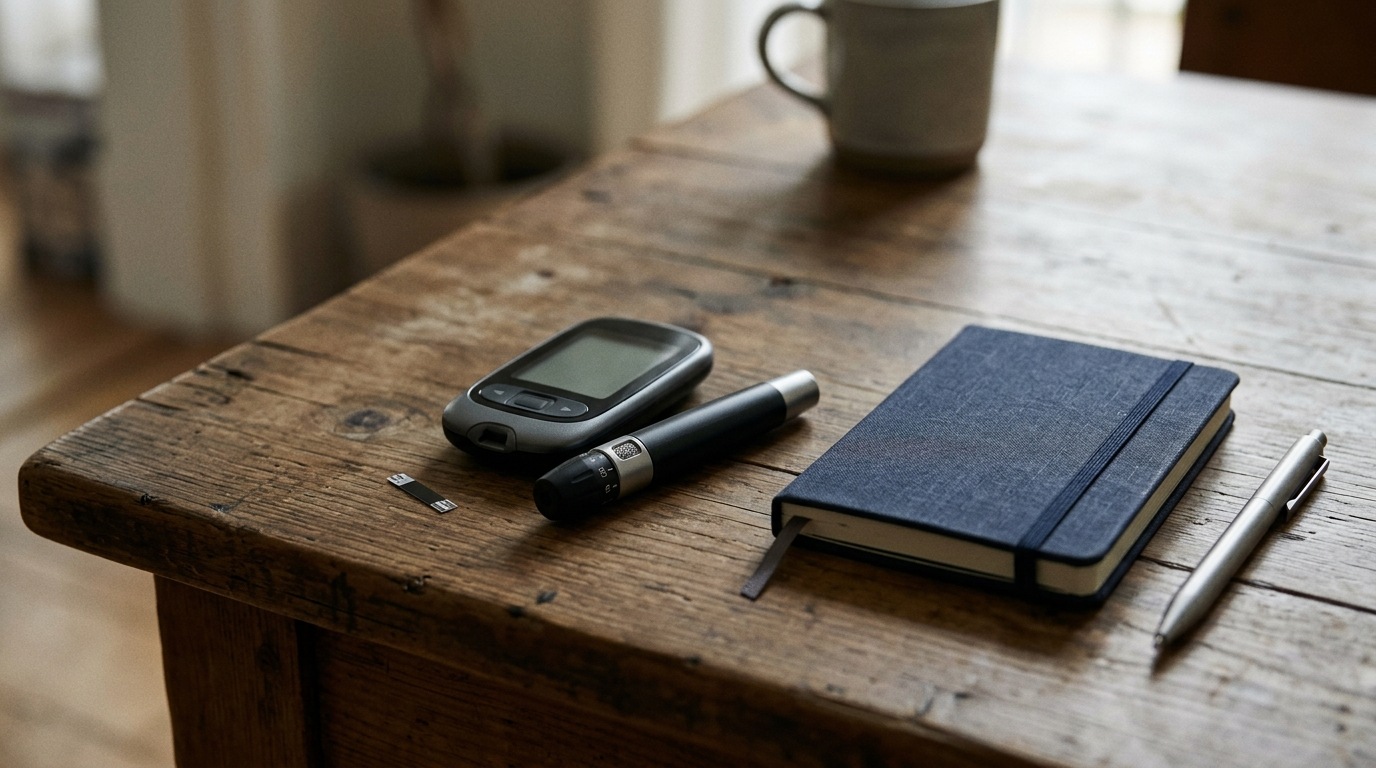
A traditional meter reads a small drop of blood from a fingertip. You place a test strip in the meter, apply the drop and read the result in a few seconds. The supplies usually include a lancing device, lancets, test strips and sometimes a control solution for checking that the meter works.
Test strips are made for specific meters, so check that they match. Strips have expiration dates and can give unreliable readings if they are expired or stored in heat, cold or humidity. Keep them in their original container with the lid closed.
Continuous glucose monitors
A continuous glucose monitor, or CGM, uses a small sensor worn on the body. It measures glucose in the fluid under the skin at regular intervals and sends readings to a receiver or phone. Many models show trends and can sound alerts.
CGMs may be prescribed, and coverage differs by plan. Some people use a CGM, some use a meter and some use both. Which one suits you depends on your care plan, your medicines and your preferences. Your care team can explain the options.
| Tool | How it works | Things to consider |
|---|---|---|
| Meter and strips | Fingertip drop of blood | Supplies are needed for each check |
| CGM | Sensor under the skin, readings through the day | Cost, coverage, sensor changes |
| Both | Sensor for trends, meter for confirmation | More supplies to manage |
Keeping a log
A log turns numbers into patterns. Whether you write in a notebook, use an app or download from your device, record the same basics every time:
- The date and time of the reading.
- The reading itself.
- Whether it was before or after a meal, and what you ate.
- Activity, such as a walk or a workout.
- Any medicine taken, as directed by your care team.
- Notes, such as illness, stress or poor sleep.
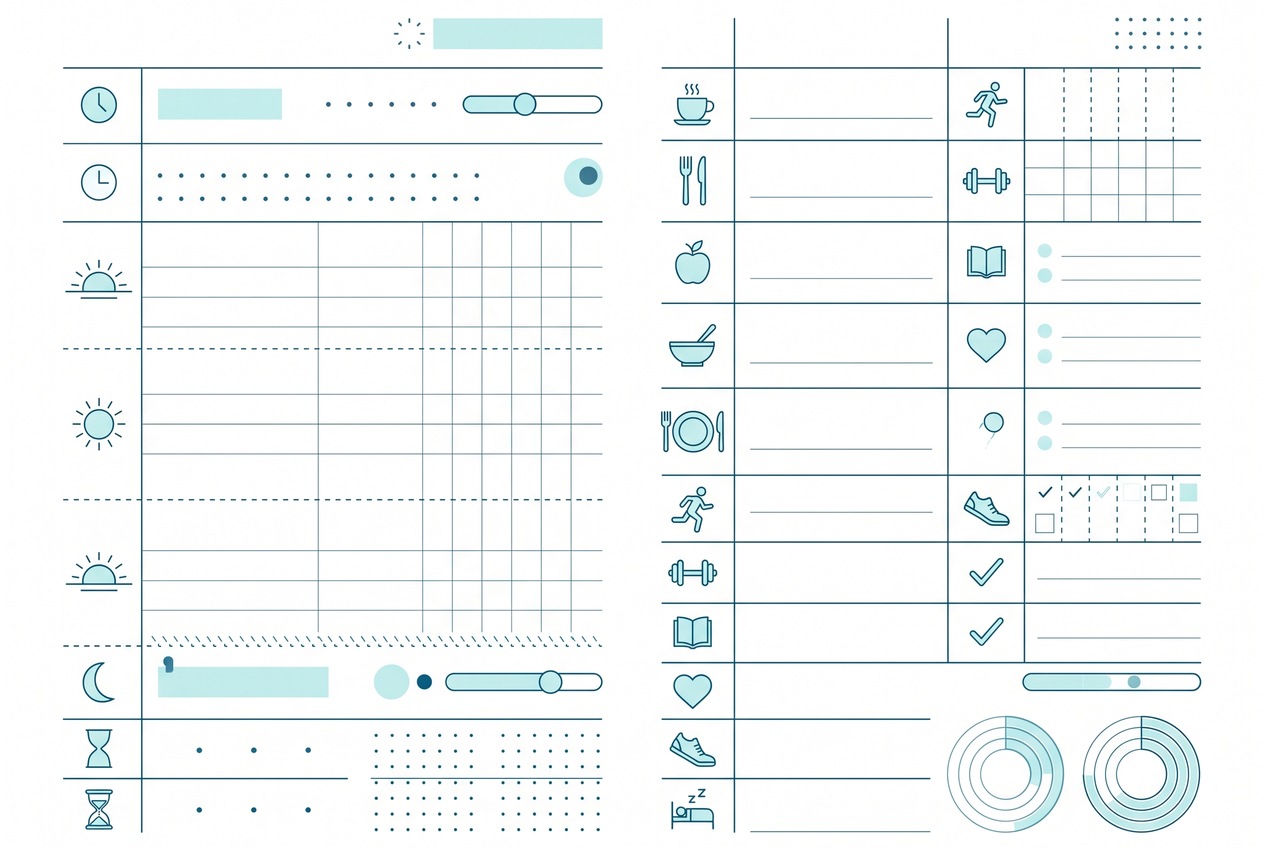
Keep entries brief and consistent. A simple log used regularly is better than a detailed one that you abandon after a week.
Bringing your log to appointments
Bring the log, or the meter and any app, to each visit. Your care team can look for patterns that a single reading cannot show. They may also use a lab test such as the A1C, which reflects average glucose over the previous two to three months, together with your home readings.
Write down questions as they come up, such as why readings are higher after a certain meal. Pair each question with the dates it applies to.
Using the numbers
Your care team sets personal targets and explains what to do when a reading falls outside them. Follow their plan and ask for it in writing. Don’t change a medicine, a dose or a meal plan on the basis of one number.
Know the symptoms your care team has told you to watch for, and ask what to do if you notice them. If you ever feel severely unwell, confused, faint or short of breath, call your local emergency number.
Safe handling of supplies
- Wash and dry your hands before each check.
- Use a new lancet as directed, and never share lancets, lancing devices or meters.
- Place used lancets and other sharps in an approved sharps container or a sturdy container with a secure lid, and follow local rules for disposal.
- Store supplies away from children and pets.
- Replace batteries and check expiration dates regularly.
Common mistakes with home testing
Small errors can make a reading less reliable. Watch for these:
- Testing with unwashed hands, since traces of food such as fruit can raise the result.
- Using strips that are expired or were stored with the lid open.
- Applying too little blood, or squeezing the fingertip hard, which can dilute the sample.
- Testing in extreme heat or cold, which can affect the meter.
- Skipping the control solution check when the instructions call for it.
- Forgetting to record the reading, so it never reaches the log.
If a reading seems surprising, wash your hands and test again, then tell your care team if it keeps happening. Ask a pharmacist or an educator to watch you test, since they can spot habits that are easy to miss.
Everyday tips
Rotate fingertips and use the sides rather than the pads, which are more sensitive. Keep a spare set of supplies at work, in the car or in a bag so you are not caught without them. If you use a CGM, check the adhesive and follow the instructions for changing sensors. Check with your pharmacist about how to store supplies in hot or cold weather.
Questions for your care team
- How often should I check, and at what times?
- Would a CGM be a good fit for me?
- What are my personal target ranges?
- What should I do if a reading is outside my range?
- How do I get and store supplies safely?
Key points
Home monitoring is a record-keeping tool. Choose the equipment your care team recommends, write down readings with context, handle supplies safely and bring your log to appointments. Let your care team interpret the numbers and set the plan.